
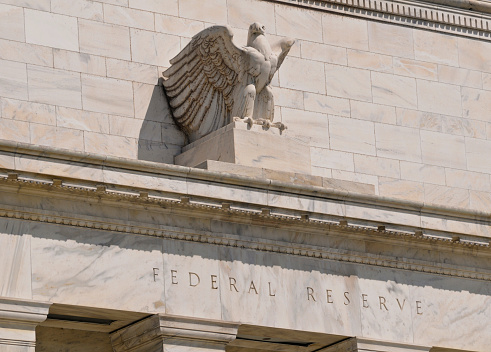
- Congress is in no rush to confirm Warsh’s appointment.
- The US-Iranian talks have collapsed.
The US dollar launched a counterattack thanks to the collapse of the US-Iran talks and a 1.7% month-on-month rise in retail sales in March. The economy is strong, oil prices are high and could rise further, while the futures market expects the key interest rate to remain at 3.75% until the end of the year at 64%. This is getting worse because Congress intends to block the efforts of Federal Reserve Chairman nominee Kevin Warsh.
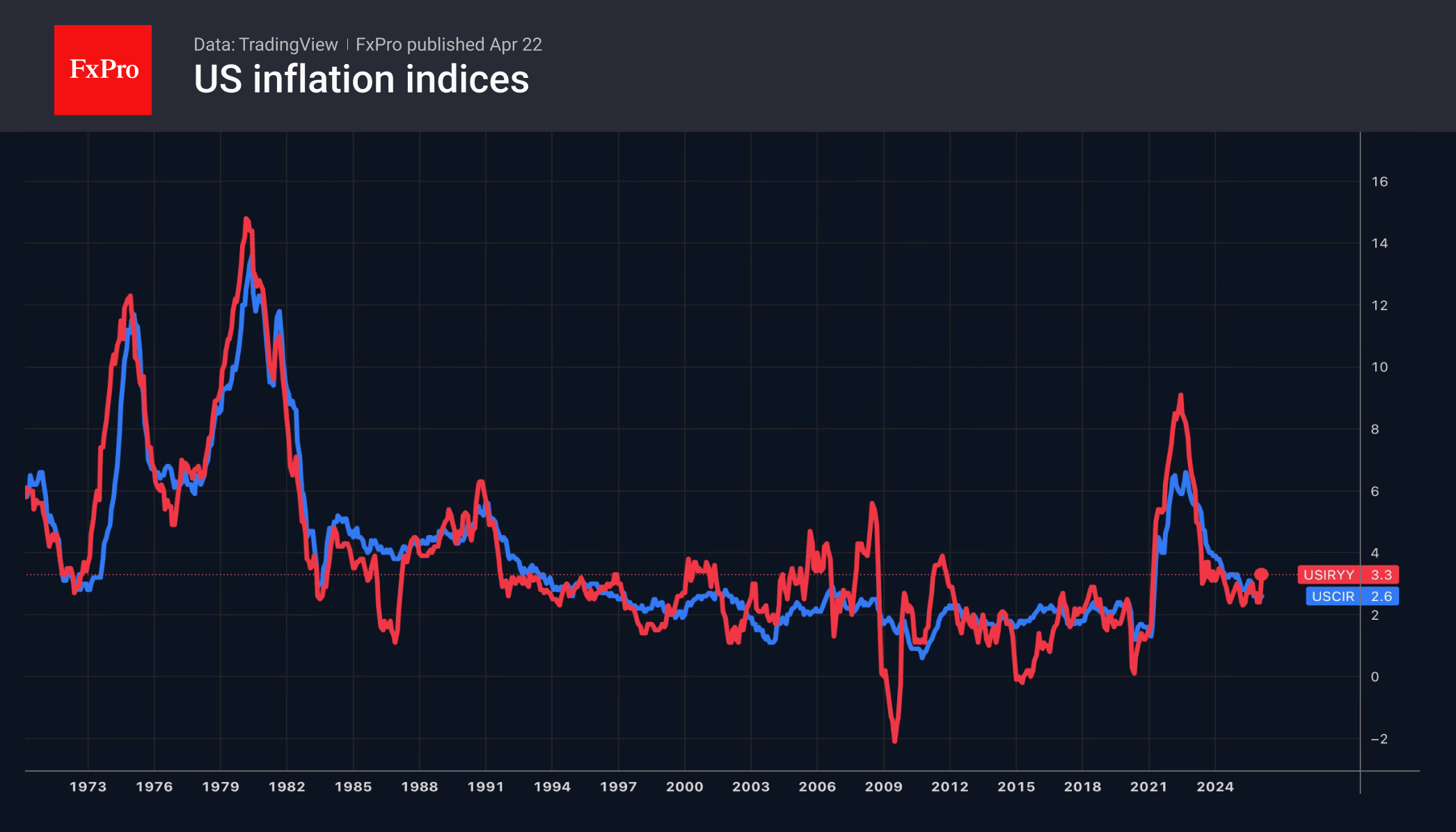
In his speech to lawmakers, nominee Donald Trump stated that the Fed should focus on core inflation. Meanwhile, some parsimonious indicators suggest that prices are approaching the 2% target, although they have not yet reached that target. The issue of the independence of the Fed deserves special attention, and Kevin Warsh promised to make decisions on interest rates independently, and stated that the president did not ask him to lower interest rates.
The appointment of a new Chairman of the Federal Reserve will depend on the judicial investigation into Jerome Powell. While this continues, Republicans are not ready to vote for it. The Calci forecast market estimates the chances of a change in the Fed presidency by May 15 at 24%, and by June 30 at 65%. As long as Powell remains in office, market expectations will drift towards a tougher policy stance, which favors the US dollar.
EURUSD continues to respond to movements in oil and US indices. The rise in the price of Brent crude and the decline in the S&P 500 index in response to the news that Iran had broken off negotiations with the United States forced the euro to decline. The president tempered the negativity with a statement about extending the ceasefire indefinitely, which investors interpreted as a manifestation of “Taco,” or “Trump always gets chicken out.”
On the other hand, the Strait of Hormuz remains closed, which threatens to spark a renewed rise in Brent crude prices and exacerbate the problems facing the Eurozone. However, the fear of missing out has pushed traders to the point where they ignore bad news. How long will this last?
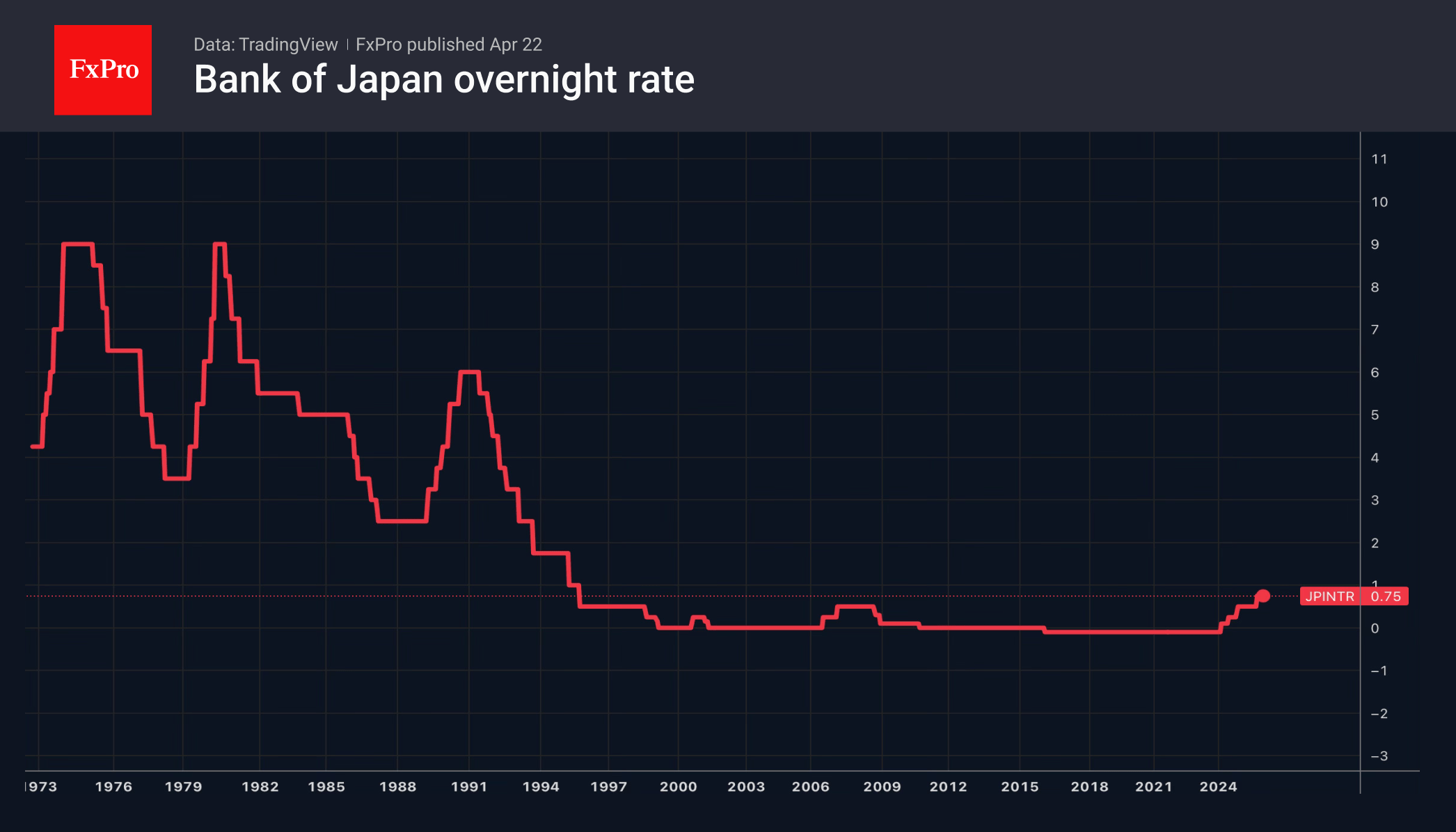
The collapse of US-Iran talks, as well as the postponement of an expected interest rate hike from the Bank of Japan, has put the initiative back in the hands of USDJPY bulls. 80% of 51 Bloomberg experts expect the Bank of Japan to remain flat in April. This contrasts with the March poll, when 37% of respondents expected monetary policy to be tightened at the next Governing Council meeting.



