


TShip recycling markets showed varying performance depending on each sub-market. In its latest weekly report, the best oasis (www.best-oasis.com). The US dollar, and this may be followed by a decline in local prices across destinations.”

Source: Best Oasis
Best Oasis added that in Bangladesh, “the domestic market has declined marginally, with prices falling by around BDT 200 (US$). Buyers’ appetite remains steady, with interest in acquiring filters for vessels continuing. Supply of recyclable tonnage remains constrained by ongoing geopolitical uncertainty. Limited vessel availability is expected to keep the market stable and firm, with the near-term trend dependent on geopolitical developments. In Pakistan, market sentiment remains uncertain, with Lack of recent transactions to establish a clear trend Buyers continue to show interest in acquiring tonnage, however, they remain unable to compete with the stronger price levels available in Chittagong, while limited vessel supply continues to constrain activity.
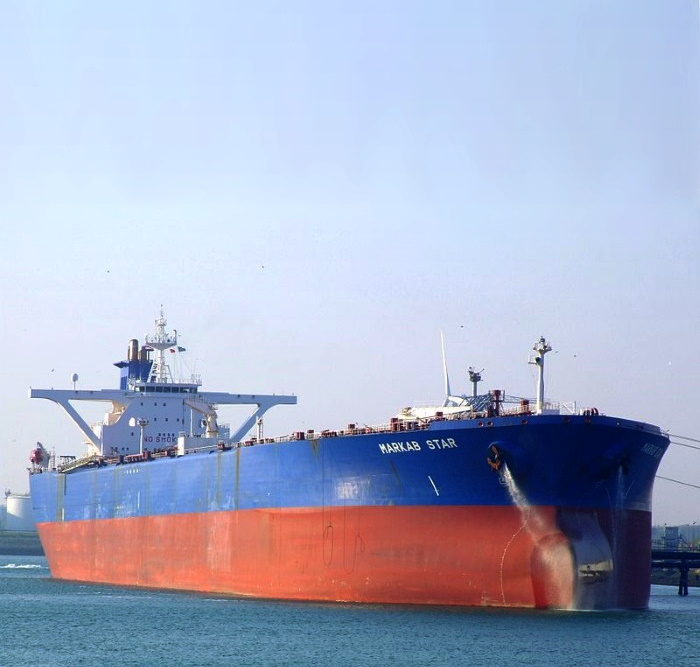
Domestic demand for scrap is providing some support, especially since imports from the Middle East remain disrupted by the ongoing conflict. Finally, the Turkish market remained broadly stable this week, with no meaningful changes in prices or overall sentiment. In addition, most yards are currently operating at capacity, with very limited appetite for new purchases. Although fundamentals have not deteriorated, there is a distinct lack of buying urgency, largely due to already full inventories and limited capacity to absorb additional load. Hence, buyers maintain a wait-and-see approach, showing discipline in pricing and only considering units that suit very specific requirements.”

Source: Multimedia
Meanwhile, in a separate report this week, ship broker Intermodal noted, “Ship recycling hubs in the Indian subcontinent posted a mixed performance last week, amid constrained conditions in domestic steel markets. India saw subdued activity, with several recycling candidates, mostly bulk vessels and offshore units, trading at Alang, although deal execution remained difficult as offers lacked competitiveness. LPG supply constraints remain across yards, albeit with a slight improvement compared to previous weeks.” India continues to benefit from its regulatory advantage, with most yards Hong Kong-compliant, but weak, domestic steel prices limiting purchasing power. On the macro side, the IMF modestly raised India’s 2026 growth forecast to 6.5%, supported by resilient domestic demand and improving trading conditions, and Bangladesh remained steady, supported by continued buying interest and competitive offers. However, the range of available tons remains constrained by geopolitical conditions and elevated risk perceptions. Production prices fall by around $8 per tonne and infrastructure spending continues to overshadow steel demand. Currency depreciation against the US dollar also weighs on the outlook. Gadani remains broadly stable but structurally constrained by limited vessel supply, yet transactions continue to stall at prevailing price levels, with recyclers adopting a cautious, watchful stance amid ongoing uncertainty in the Middle East and the prospect of vessels being selected in the Arabian Gulf for recycling, giving operational conditions the advantage of proximity, the shipbroker concluded. Additional pressures from intermittent capacity shortages due to limited LNG availability Steel markets remain weak, although stalled regional flows provide a floor on prices and Turkey remains steady but largely inactive, as fully exploited yards increasingly limit appetite for new acquisitions, with buyers primarily focusing on EU-compliant tonnage where regulatory requirements outweigh price considerations.
Nikos Rousanoglou, Global Hellenic Shipping News



