

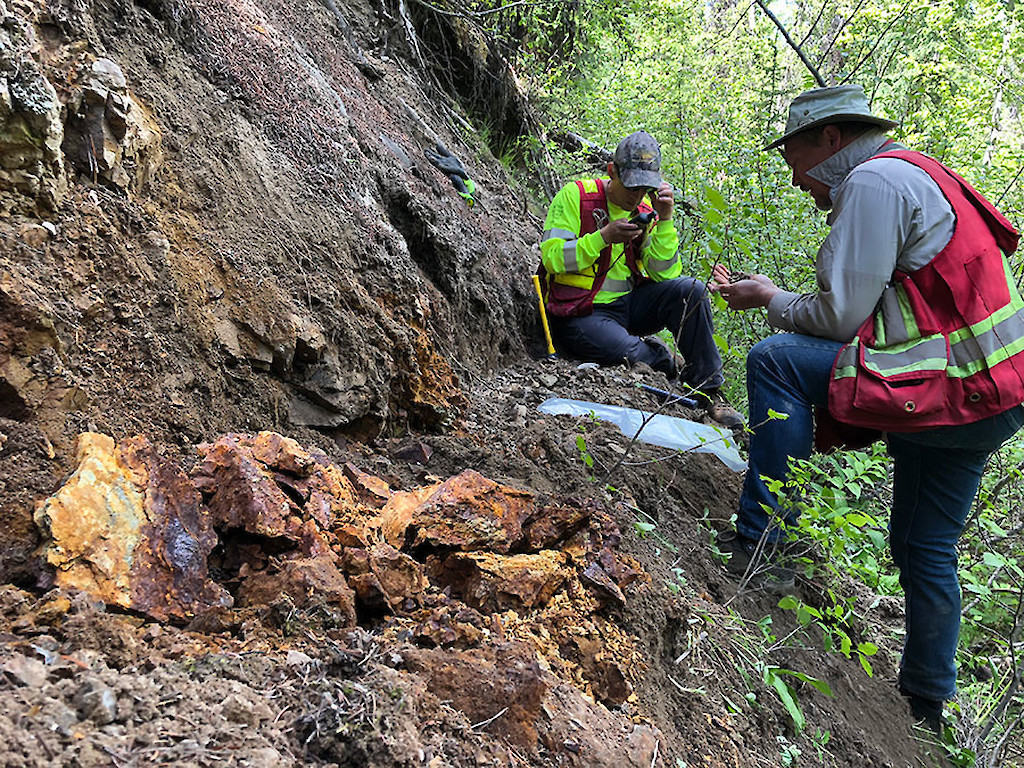
Stormlands Mining, an Ireland-based data analytics company, has released a new case study on Kodiak’s MPD project in British Columbia, claiming that artificial intelligence (AI) can fill gaps in early-stage mining assessments.
Using MPD’s December 2025 mineral resource estimates, Stormlands’ in-house AI platform has produced an illustrative economic model. MPD does not have a Primary Economic Evaluation (PEA), which means there is no published net present value (NPV) or internal rate of return (IRR).
In a press release, Phil O’Connell, chief product officer at Stormlands, said that’s the point: AI can be used to obtain useful data long before a company officially commissions a PEA. “It’s about showing how the technical disclosure from a mineral resource estimate can be transformed into an explanatory economic model, so analysts and project teams can start asking better valuation questions early on,” he said. “A static technical report gives you the resource. A dynamic model helps you understand how the economic interpretation of that resource changes as market conditions change.”
In its base case, the model generated an after-tax net present value of $315.5 million at a discount rate of 5%, with an internal rate of return of 15.5% and a payback of approximately six years. The second scenario, using commodity prices in March 2026, yielded higher results, including a larger net present value and a faster recovery.
The MPD case study follows the previous Stormlands case study Analysis of the Whistler project It is part of the company’s plan to build a global library of mining valuation models.
Source link



