

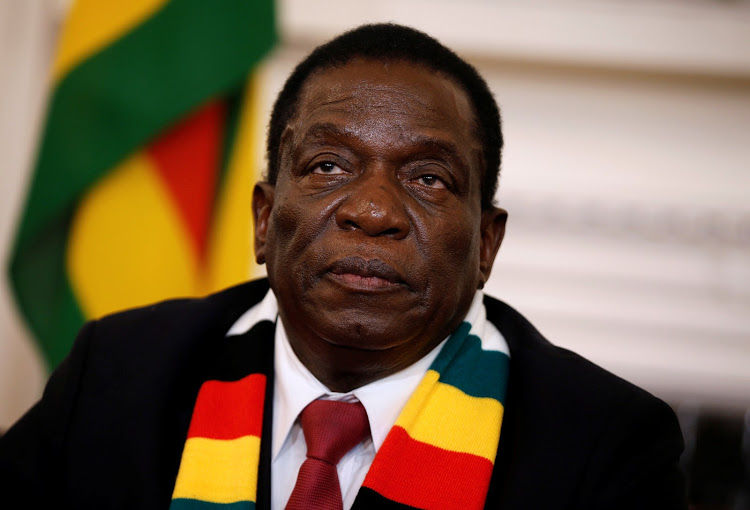
For nearly a decade, the Zimbabwean government has been in the process of reintroducing itself to global markets. Under the country’s former president, Robert Mugabe, indigenization laws meant that foreign companies could not retain majority ownership of any mining operations conducted within Zimbabwe. Following the 2017 coup that ousted Mugabe, Zimbabwe’s new government, led by Emmerson Mnangagwa, immediately repealed these regulations. In the years since, Zimbabwe has made several attempts to re-attract foreign investment, including announcing its intention to build a mining industry worth US$12 billion by 2030.
At this year’s African Mining Week, to be held in Cape Town from 14 to 16 October, Zimbabwe’s mining industry will be highlighted in a dedicated country spotlight, designed to connect global investors with government officials. The event will be attended by members of the Ministry, the country’s Chamber of Mines and leading companies operating across the country.
In a press release, AMW described the moment as “pivotal” for Zimbabwe, as the country seeks new capital to unlock value from more than 60 known mineral plays including gold, lithium, platinum group metals, chromium, coal and rare earths.
Zimbabwe reduced fees for key mining licenses and export permits in May 2026, cutting costs for investors. The reforms support the shift towards lithium processing, marked by Huayu Cobalt’s first exports of lithium sulphate after the quota update.
This year’s AMW report comes at a time when Zimbabwe is reshaping not only its mining regulations, but also its political landscape. On June 24, 2026, the Senate passed a bill to postpone the upcoming presidential election and reform the electoral system, essentially ending direct voting in the country. For investors gathered in Cape Town, the event provides a rare window into the country’s evolving governance. It remains to be seen how these reforms may impact the course of its US$12 billion mining ambitions.
Source link



