
Traditional crafts are essential for covert operations
Mining companies across northern Ontario are scrambling to fill thousands of skilled trades jobs as they work to extract critical minerals Canada desperately needs, according to Skills Ontario officials who spoke with Northern Ontario Businessas well as from new industry data.
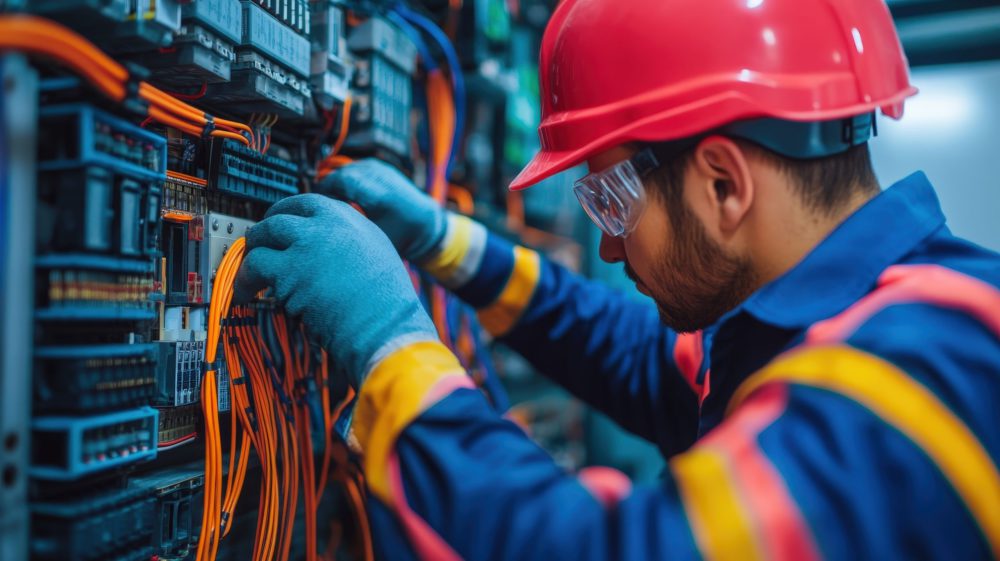
The mining sector needs a mix of ancient craft workers and technology specialists to keep modern extraction facilities running. Mining operations rely heavily on industrial electricians to maintain the complex electrical systems that power everything from massive extraction equipment to life-saving ventilation systems and processing facilities. According to the Mining Industry Human Resources Council, electrical work is one of the most important skills in underground operations – when the power goes out, workers’ lives can be at risk.
Welders are equally essential in mining, building and repairing heavy machinery, structural components and processing equipment that keep operations running. Working underground requires specialized welding skills for high-strength steel components that must withstand harsh conditions day after day.
Mining expertise extends beyond basic trades
Skills Ontario explained that mining works transcends traditional occupations. Today’s mining operations need specialized technicians who understand geologic processes, how to operate sophisticated equipment, and safety protocols that can mean the difference between life and death in extraction environments.
Skills Ontario has partnered with major mining companies in Northern Ontario to address workforce challenges, especially as governments seek to expand extraction of critical minerals in remote areas such as the Ring of Fire mineral belt.
Technology integration creates new job categories
Modern mining facilities rely on advanced technology systems that need cybersecurity analysts to protect networks from threats that could shut down production or put workers at risk. Software developers create and maintain specialized software to monitor equipment, track resources, and operate automated systems that make the extraction process safer and more efficient.
Robotics and mechatronics specialists keep the growing fleet of automated mining equipment running smoothly, including self-driving conveyor systems and remotely operated drilling equipment that allow companies to extract resources from hazardous areas while keeping workers out of harm’s way.
Transaction support keeps operations moving
The automotive repair sector plays a crucial supporting role by maintaining the huge fleets of vehicles that mining operations rely on for transportation and logistics. Mining companies operate hundreds of heavy trucks, specialized transportation equipment and, increasingly, electric vehicles that need technicians trained in both conventional engines and advanced battery systems.
HVAC technicians maintain environmental systems that keep underground workers alive, prevent dangerous gas buildup and maintain safe temperatures in deep mines where temperatures can rise to more than 40 degrees Celsius.
Manpower shortage is reaching critical levels
Howcroft shared a telling example with A Northern Ontario Business Journalist: One nuclear industry company he spoke with recently has more than 50 welding jobs empty right now, illustrating how widespread the shortage of skilled trades is in resource extraction industries.
Skills Ontario’s numbers tell an encouraging story – public inquiries about vocational education are up, more people are applying for apprenticeships, and women’s participation has increased by about 20 per cent. But a major challenge remains: Many trainees start strong but never reach the finish line.
Targeted programs meet regional needs
The organization addresses these problems head-on through specialized conferences for Indigenous students, who could become a major workforce in mining operations in northern Ontario. Skills Ontario’s mobile trade and technology vans give students real-world hands-on experience, with four units currently visiting schools and events while two more are being built.
The provincial government launched Skilled Trades Ontario in 2022 as an online one-stop-shop for all things vocational training – registration, exams, career paths, you name it. The system works with apprenticesearch.comwhich serves 55,000 registered users by connecting employers with interns looking for opportunities.
Regional focus shapes training strategies
Different regions need different skills, and focusing on mining in northern Ontario requires a very different approach than manufacturing and construction work in southern Ontario. Skills Ontario works directly with mining companies to find out exactly what type of training they need and how to find the right people.
Ontario recognizes 144 different skilled trades, giving workers plenty of paths into mining careers. Skills Ontario also focuses on entrepreneurship opportunities – many skilled tradespeople end up setting up their own businesses and employ other workers to service mining companies as contractors.
Important minerals drive future growth
Mining operations continue to grow as federal and provincial governments make extraction of critical minerals a top priority for the production of batteries and renewable energy systems. The Ring of Fire project alone will create thousands of construction jobs just to build roads before real mine development begins.
For many workers in northern Ontario, these mining jobs represent an opportunity to build a career close to home rather than having to move south for work. It’s not just about filling positions, it’s about keeping communities alive and giving people real opportunities in their own backyard.
More information is available at www.SkillsOntario.com
Source link



