
Luxembourg-based Subsea7 has been commissioned to work in the Santos Basin on The field development project, which is described as one of the largest phases of pre-salt expansion off the coast of Brazil.
Petrobras Subsea7 has appointed Subsea7 for an offshore mission, worth more than $1.25 billion, following a competitive tender. As a result, the company will develop Dark brown 2 The field is located approximately 280 kilometers southeast of Rio de Janeiro, Brazil, at a water depth of 2,170 meters in the pre-salt Santos Basin.
Jan CottartThe First Vice President of Brazil and the Western Global Enterprise Center commented: “This award strengthens Subsea7’s project portfolio in Brazil and reinforces our established relationship with Petrobras in the pre-salt region.
“Through strong local content, disciplined execution and close cooperation, we support projects of national importance with predictable delivery. We thank Petrobras for its continued trust and look forward to the successful delivery of the Sépia 2 project.”
The Sépia 2 deal, which is seen as playing a central role in Brazil’s energy development, entails engineering, procurement, fabrication, installation and precommissioning of umbilical, riser and subsea flow (SURF) lines for 17 wells, including two Dark brown 1 The project, and a gas export line with 18 lifters.
Subsea7 explains that project management and engineering will begin immediately at its offices in Rio de Janeiro, Paris and Sutun, with offshore operations scheduled from 2029. The Sépia field has been producing since 2021 through FPSO CariocaProduction capacity of 180 thousand barrels per day.
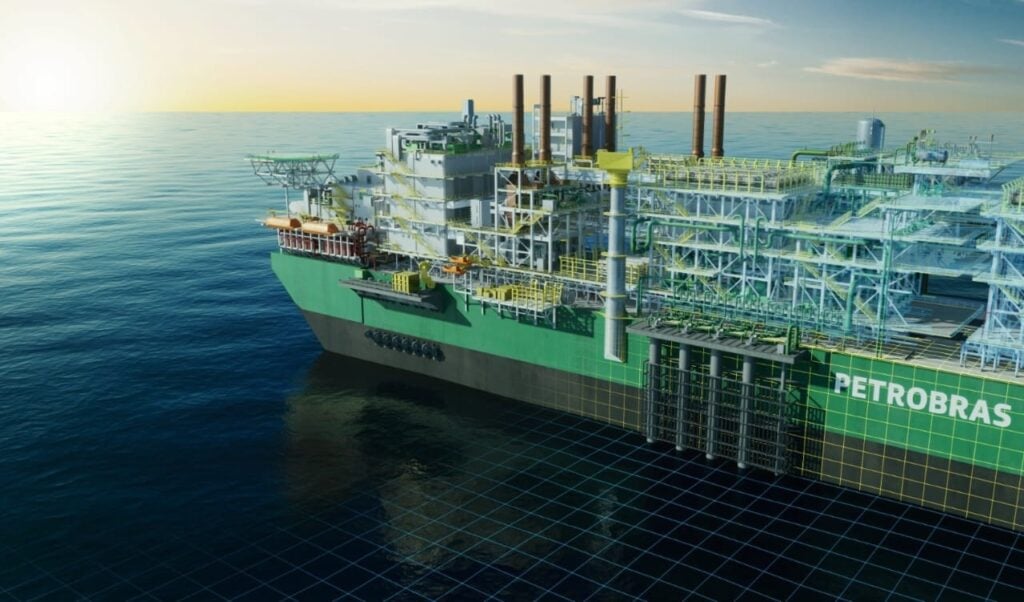
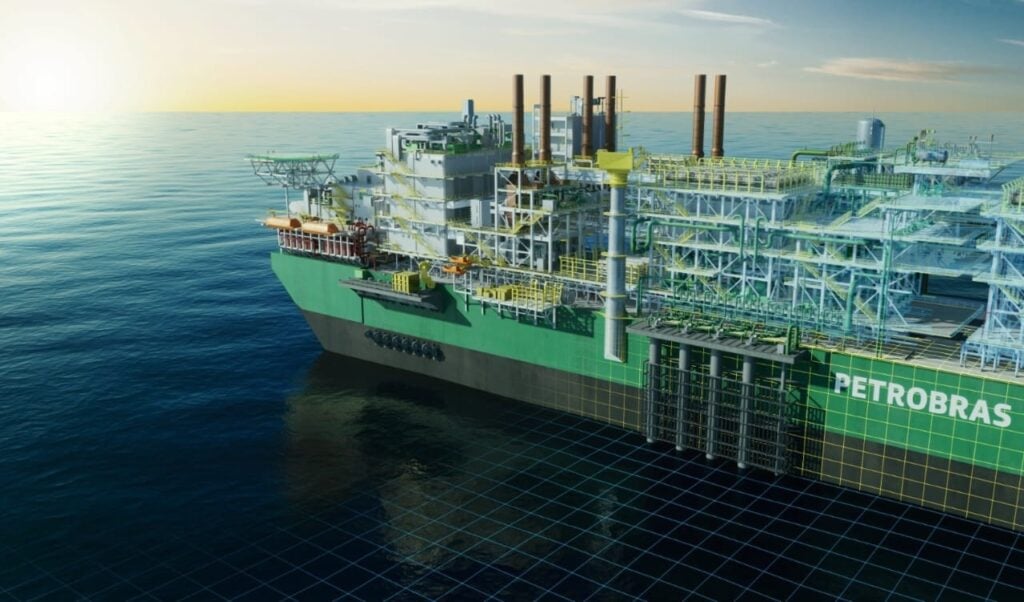
The second development phase, Sépia-2, will entail FPS or F-85 Capacity of 225 thousand barrels per day. The contract with Subsea7 comes months after SLB He won a deal To provide services and technology for up to 35 ultra-deepwater wells, which are part of Petrobras’ second development project in the Atapu and Sibia fields.
Seats It was awarded a contract worth $8.15 billion in 2024 for the field duo’s two “all-electric” FPSOs, which are expected to reduce their emissions footprint by 30% per barrel of oil produced once they come online in 2029, using electrically driven compressors and motors to produce 165 MW of power generation capacity.

Boost your brand with marine energy ⤵️
Steal the spotlight and establish your brand in the heart of the outside world!
Join us to make a greater impact and grow your presence at the core of the marine energy community!



