
Key points
- U.S. airfares rose 20.7% from April 2025, accelerating from March’s gain of 14.9%.
- Credit and debit card transaction data from Bank of America reveals double-digit spending growth for airline purchases in May.
- Most airlines reduced domestic capacity plans for the third quarter, although American Airlines continued to expand by 9.3%.
- United Airlines expects 53 million passengers to arrive during the summer months. American Airlines expects to serve 75 million passengers through early September.
- Aviation stocks rose on Wednesday, with Allegiant Travel stock rising 6.8% after crude oil prices fell 4%.
US airline stocks saw big gains on Wednesday after a significant drop in crude oil prices Oil prices By approximately 4%, while major airlines confirmed the continued strong demand for travel in the summer. Bank of America has published comprehensive industry analyzes showing healthy pricing power and consumer spending patterns entering the peak travel period.
Ticket prices and consumer spending are showing upward momentum
Airfare costs saw significant increases throughout 2026. April data from the CPI for airfare revealed a 20.7% year-on-year increase, representing an acceleration from the 14.9% increase in March. On a monthly basis, prices increased by 6.3%.
Likewise, the Air Passenger Services Producer Price Index showed strength, recording an 11.1% annual increase in April, outpacing March’s gain of 8.1%. Data compiled by Airline Reporting Corporation indicated that average ticket prices rose 16.2% compared to the same period last year.
Bank of America’s payment card analytics revealed that airline-related spending reached double-digit growth rates in May. This expansion is primarily due to higher amounts per transaction rather than increased transaction volume alone.
During a recent Bank of America Industry, Transportation and Airlines Conference, carrier executives stressed that passenger demand and pricing power remain favorable. However, capacity strategies for the latter part of 2026 maintain flexibility, with fuel cost trajectories playing a central role in planning decisions.
Crude oil valuations remained above the $100 per barrel threshold, resulting in continued pressure on carrier operating expenses. Brent crude traded near $104 on Tuesday before falling on Wednesday.
Capacity reductions are underway — with one notable exception
Industry-wide domestic capacity growth forecasts for Q3 2026 have shrunk by 200 basis points since mid-April, and currently stand at 1.6% growth. Much of this adjustment came on the heels of Spirit Airlines’ operational grounding, which eliminated 160 basis points of system capacity.
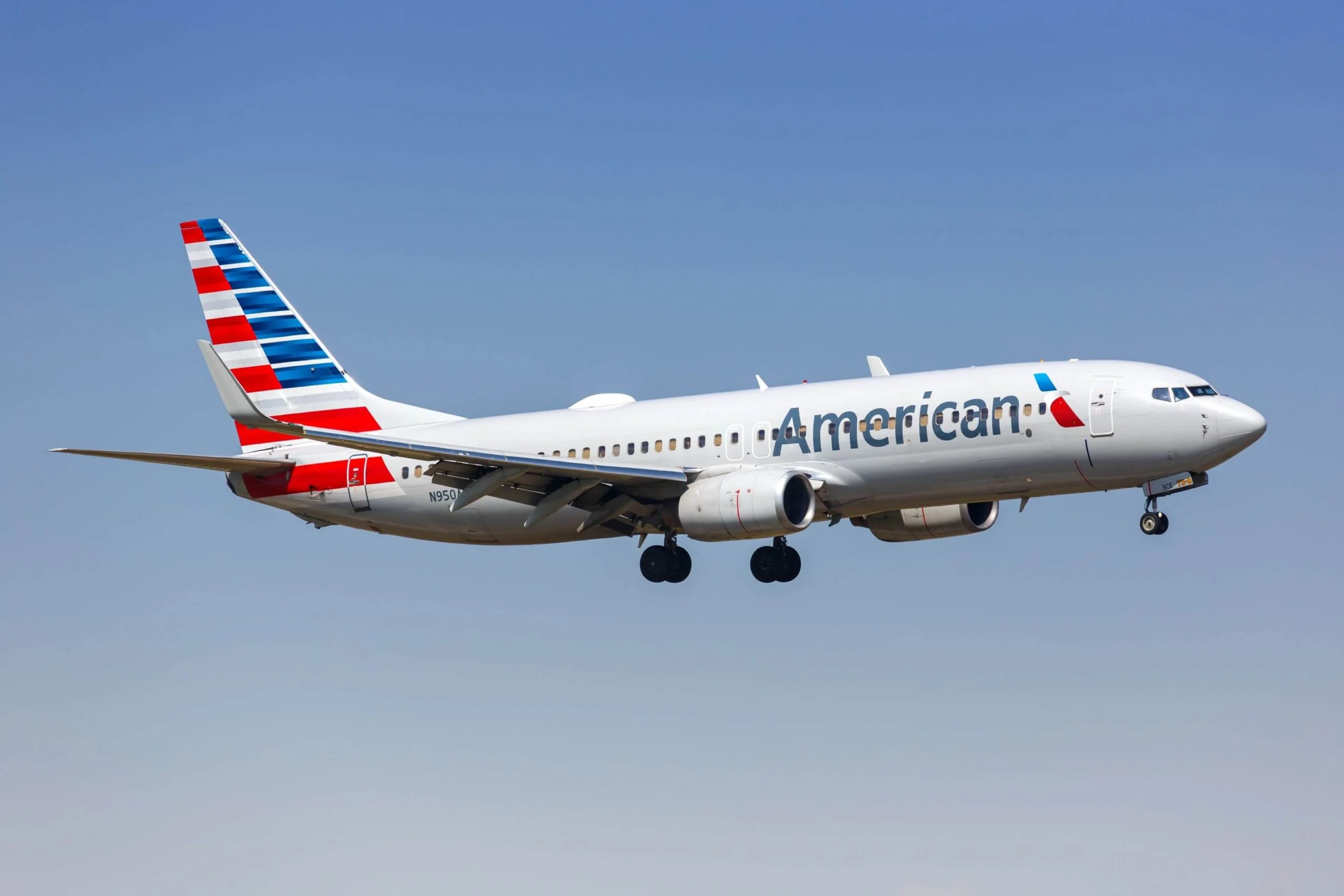
United Airlines revised its capacity expansion forecast downward from 9.4% to 5.2%, representing an additional reduction of 80 basis points. American Airlines The company maintains a contrarian stance, maintaining a growth target of 9.3% and contributing 190 basis points to the industry’s overall production capacity expansion.
Summertime capacity is expected to remain essentially unchanged year over year, with additional reductions expected after Labor Day. September capacity growth is currently 4.1%, well above the flat trajectory expected between May and August, with industry observers anticipating further downward revisions in upcoming announcements.
United Airlines projects more than 53 million passengers during the June-August time frame, representing about 3 million additional passengers compared to the previous summer. American Airlines has outlined plans to fly nearly 75 million customers on nearly 750,000 flights between May 21 and September 8, calling this its “centennial summer.” Delta Air Lines reported that domestic demand remains steady despite rising price levels.
United Airlines highlighted that booking activity in North American cities hosting World Cup group stage matches has increased by approximately 20%, although carriers have widely indicated that they have not yet observed widespread World Cup-driven travel demand.
Regarding international traffic patterns, outbound leisure travel in the United States continues to outperform inbound flight volumes. Excluding the Middle East markets, outbound travel grew by 3.7% year-on-year, while inbound travel declined by 3.8%.
The US Global Jets ETF advanced 3.3% during Wednesday morning trading. Allegiant Travel led the sector with a 6.8% gain, followed by Frontier Group 5.9%, United Airlines 5.9%, Republic Airways 5.6%, Alaska Air 4.9%, and JetBlue 4.4%.




