

- The Bank of England left interest rates unchanged by a vote of 7 to 2, as was widely expected.
- The economy is slowing, the labor market is slowing, and so far inflation fears have not materialized.
- We expect interest rates to be unchanged next year, with risks tilted towards rate hikes this year and the possibility of interest rates falling in 2027.
The Bank of England kept interest rates unchanged at 3.75% as was widely expected. The decision was taken by 7 votes to 2, with Bell and now Green also voting in favor of raising the price to “Insurance against the possibility of larger second-round impacts.” Although Mann did not vote for a rate hike, he had more inflation fears than the rest of the hold camp. convinced, “A strong interest rate decision by the bank could have a rapid impact on inflation and inflation expectations,” I stuck to the decision to wait. It’s often the deciding vote for Governor Bailey, which he says it is “Content is currently with a contract“.
New inflation and labor market data were released just before the meeting. The fear of energy prices spilling over into core inflation has yet to materialize, as core inflation rose slightly to 2.6% in May, below expectations. Food inflation has been cited as a key focus for spillover effects and there were no signs of this with food inflation falling to 2.1% from 2.9% in April.
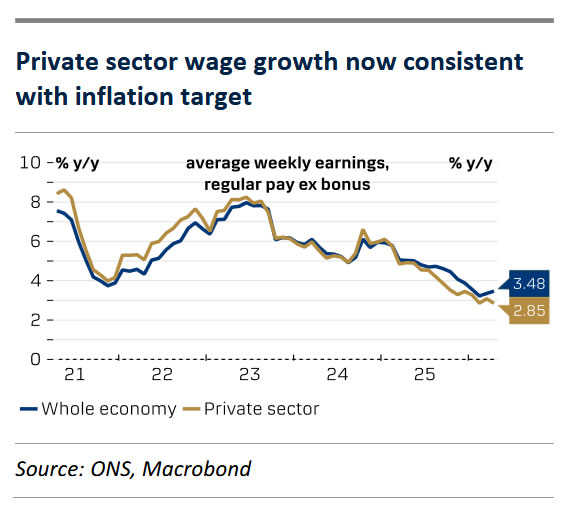
The labor market remains on a sluggish trend, although the April/May report was slightly stronger than expected. On the one hand, employment growth was higher and the unemployment rate was lower than expected. Public sector pay growth also rose, reflecting previous increases for NHS staff, the Bank of England noted. On the other hand, the number of job vacancies has declined, and wage growth in the private sector continues to decline, now reaching levels consistent with the inflation target. April GDP data suggests that growth is back in negative territory after a strong few months, and by and large, data released since the previous BoE meeting has been on the weak side. The Bank of England continues to see a slowing labor market and a weak economy containing inflationary pressures.
Bank of England call. Today’s meeting did not change our view that the most likely outcome is no change in the Bank’s interest rate for next year. Although core PPI inflation remains very modest, risks to inflation expectations remain to the upside given companies’ intention to increase prices very sharply according to the PMI survey. An uncomfortable period also awaits us with rising inflation due to increased energy price caps. However, the slowing economy, slowing labor market and now lower oil prices suggest that underlying price pressures will not increase further than the Bank of England will accept.
Market reaction. The market reaction was weak and investors priced in a full rate hike by the end of the year. The relatively weak outlook for growth in the UK and our cautious stance towards the Bank of England compared to market rates weigh on our outlook for sterling. We expect EUR/GBP to move towards 0.89 over 6-12 months.



