

Coltan smuggled from mines controlled by the M23 armed group in the Democratic Republic of Congo has entered supply chains serving major technology and auto companies, exposing weaknesses in industry efforts to keep conflict minerals out of consumer products. A new report appears.
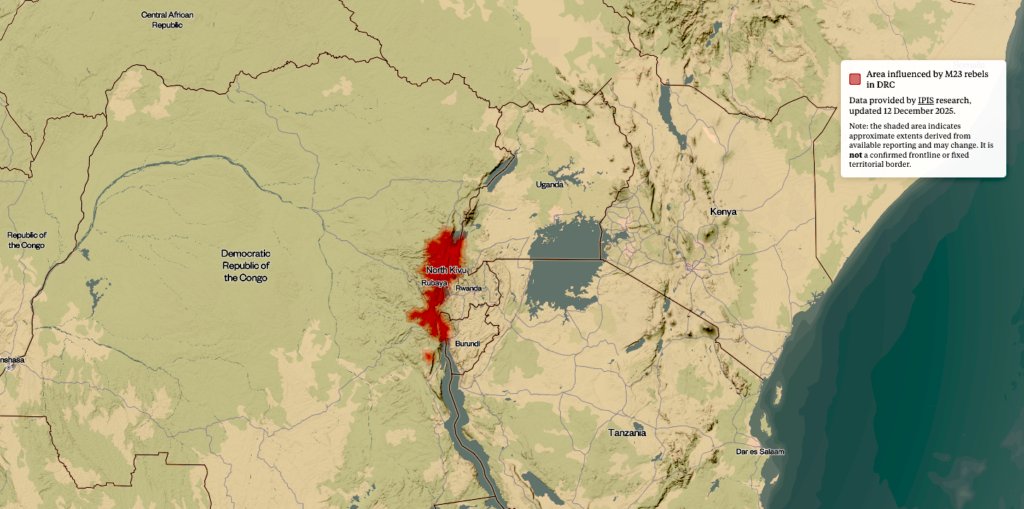
London-based investigation group Global witness It found that five of Rwanda’s seven largest coltan exporters purchased material originating in the Rubaya mining region in North Kivu, where M23 has controlled operations for the past two years.
The report said the metal, which is used in smartphones, computers and other electronics, is likely to reach supply chains linked to Sony, Microsoft, Amazon, LG Display, Ericsson, Toyota, Nvidia and Vodafone.
The investigation covered the period from 2023 until September 2025 and relied on commercial data, field research, and interviews with more than 70 sources.
“Behind our everyday technology lies a supply chain tainted by violence, exploitation and human suffering,” said Alex Cobb, senior policy and advocacy advisor at Global witnessHe said. “The companies behind our phones, computers and cars have not been able or willing to clean up their supply chains.”
The findings raise new questions about the effectiveness of mineral traceability and due diligence programs that companies rely on to certify responsible sourcing. Global witness He claimed that ITSCI tracking system It was used to launder large quantities of smuggled coltan, and he said conflict-related materials may also have entered the Better Mining system.
The group also said that the audits conducted under… Responsible Minerals Initiative RMI failed to identify significant quantities of conflict coltan moving through smelters’ supply chains.
Reply
Many companies and organizations disputed or disputed aspects of the findings. Toyota said it aims to procure conflict-free minerals through supplier due diligence, while Sony said it expects suppliers to adhere to its sourcing standards. Ericsson said the fuses had been previously identified Global witness It was compliant with the requirements of the Responsible Minerals Initiative and it would review the cases mentioned. Traxys denied sourcing conflict minerals, Better Mining denied labeling conflict-affected coltan, and ITSCI said its system remains active and effective. Nvidia, Amazon, Microsoft, Vodafone and LG Display did not respond to requests for comment, according to Global witness.
The investigation comes as governments and manufacturers face increasing pressure to secure supply chains for critical minerals. Rabaya represents approximately 15% of global coltan production, making the region strategically important for the electronics industry.
The report concludes that stronger enforcement, corporate accountability and sanctions against those who finance or benefit from conflict are needed to prevent minerals linked to human rights violations from reaching international markets.
Source link



