

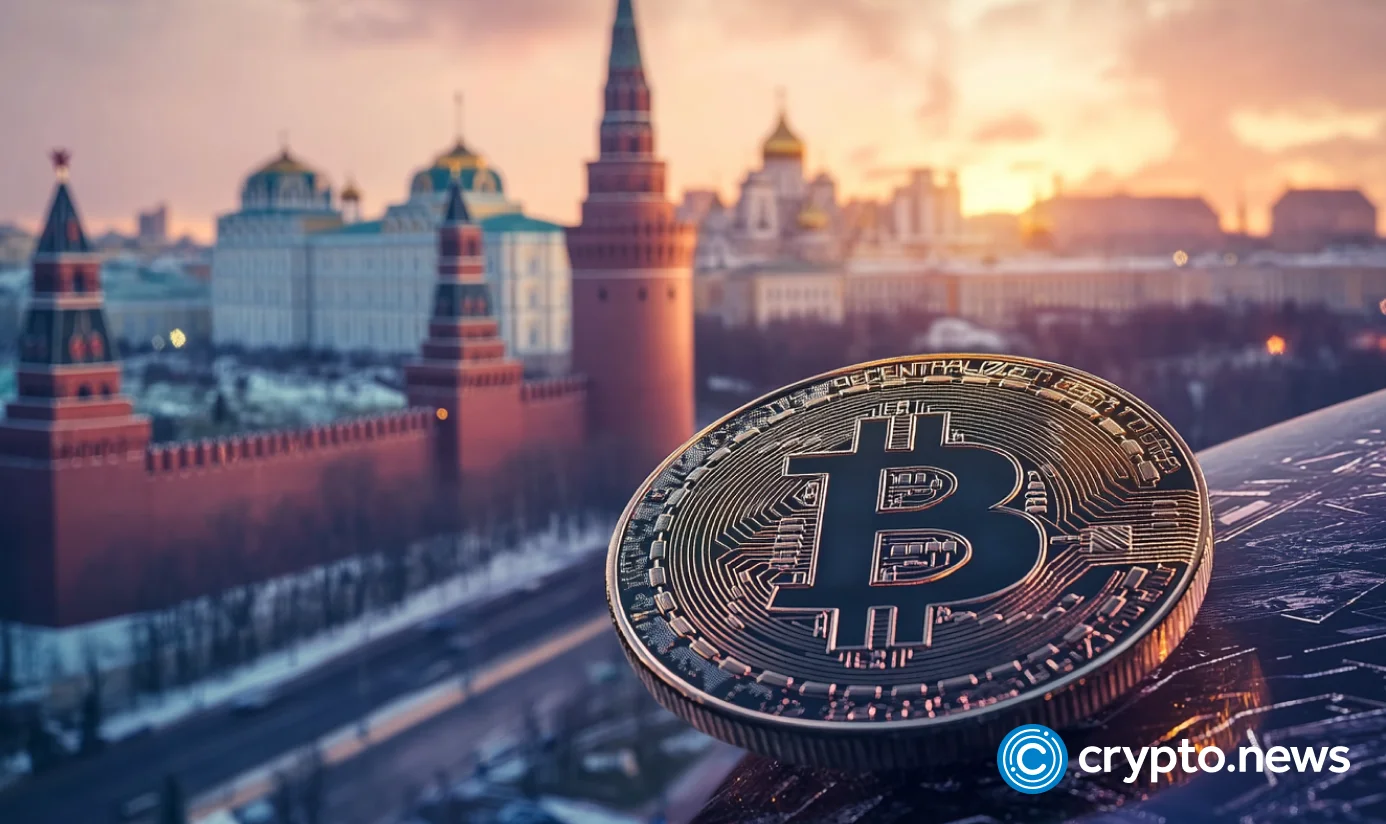
Russian officials are close to a long-term shutdown of the network Crypto mining In Moscow and neighboring regions where lawmakers introduced a separate bill to imprison unregistered miners.
summary
- The Russian Energy Industry Commission has supported a proposal to ban cryptocurrency mining in Moscow, the Moscow region and parts of Kursk until at least 2032.
- The government is also considering a broader ban on mining in 19 districts within Moscow’s energy distribution zone, Kommersant reported.
- The Duma introduced a bill to criminalize illegal mining, with fines of up to 2.5 million rubles and prison sentences of up to 5 years.
According to TASS, Deputy Energy Minister Evgeny Grabchak said a government committee overseeing the electric power industry supported a proposal to ban mining in Moscow city, the surrounding Moscow region and parts of the Kursk region, and the restriction is expected to last until at least 2032.
The ministry said local officials raised the issue in late April, and the final decision would take their positions into account, according to a report by RBC.
The Moscow region faces the proposed six-year ban
In the Moscow region, Regional Energy Minister Sergei Vorobanov argued that cryptocurrency mining brings little benefit to the local economy, and said that previous restrictions elsewhere had led to positive results, according to reports cited by RBC and Bits.media.
Bits.media also noted that Moscow Region Governor Andrei Vorobyov and Moscow Mayor Sergei Sobyanin have proposed restrictions on mining in their jurisdictions.
The Russian Energy Ministry counted at least 65 data processing centers connected to the grid across Moscow and the Moscow region, with a total capacity of 734 megawatts, according to figures in the report.
Kommersant Separate a report The government is considering imposing a ban on mining in 19 districts within Moscow’s energy distribution district, the government said, a move that would limit activity across the Central Federal District, which Kommersant described as the country’s main economic hub.
In the Kursk region, Governor Alexander Khinstein proposed restricting mining in eight regions and the city of Elgov, according to the same coverage.
The Khenshtin administration said power supply problems in the region were exacerbated by the war in neighboring Ukraine, and said a mining ban would free up spare power and provide electricity to other users, including residential and industrial customers.
The planned border in Kursk was discussed alongside the Moscow region proposal, as Russian authorities consider how to reduce pressure on local grids in areas with high energy demand.
The Duma introduces a bill to criminalize illegal mining
And in Moscow, State Duma A bill passed on first reading that would criminalize illegal mining, according to RIA Novosti and the Prime Minister.
The draft law stipulates penalties for mining without registration or using stolen electricity, with penalties that could include fines, forced labor and imprisonment, RIA Novosti and Prime reported.
Operators whose illegal facilities generate significant income or cause significant financial damage could face fines of up to 2.5 million rubles, or about $35,000, according to the same reports.
For mining linked to an organized criminal group, the legislation allows for prison sentences of up to 5 years, forced labor, and additional fines, while also giving authorities the power to confiscate property, RIA Novosti and Prem reported.
Rules tightened after mining is legalized in 2024
Russia The company has legalized cryptocurrency mining in 2024, with officials touting the country’s energy resources and climate as advantages, according to previous reports referenced in the article.
After miners gathered in places with cheap electricity, power shortages ensued in several regions, the same coverage reported, and Russian authorities responded last year by banning mining in 13 regions until the spring of 2031.
These territories include Irkutsk Oblast, the Republic of Buryatia, Zabaykalsky Krai, most of the republics in the North Caucasus, and four occupied Ukrainian regions, according to the report.
Although individuals and companies can mine legally if they register and pay taxes, an explanatory note to the bill said fewer than 1,500 out of an estimated 50,000 mining companies have registered so far.



