
Tldr:
- The CLARITY Act classifies Bitcoin as a digital good, potentially ending years of Howey Test uncertainty in the US.
- Senate disputes over stablecoin revenues and DeFi liability continue to delay a landmark decision for the cryptocurrency industry.
- The Coinbase Premium Index has remained negative throughout 2025, revealing weak spot demand in the US behind the recent rises in Bitcoin prices.
- Improved custody rules under the CLARITY Act could remove institutional balance sheet barriers and shift Bitcoin toward established demand.
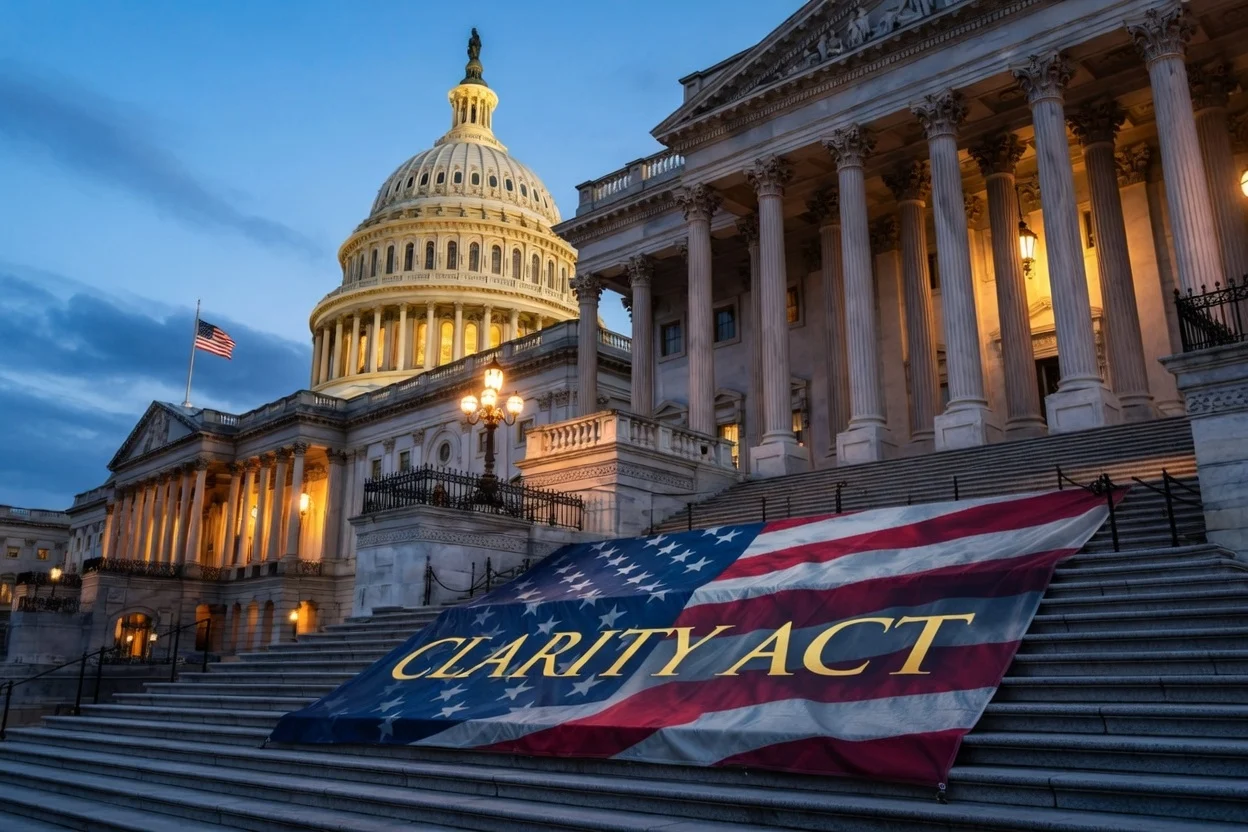
Bitcoin’s path toward mainstream institutional adoption in the United States has long been clouded by regulatory fog. The Digital Asset Market Clarity Act of 2025 now stands at the center of this debate.
It has passed the House of Representatives and awaits a Senate decision that could reshape oversight of cryptocurrencies. The bill proposes to classify Bitcoin and Ethereum as digital goods under the law That’s enough for you Specialization.
This single classification can eliminate the Howey test uncertainty that has constrained the market for years.
Crossroads: Senate battles threaten to widen the fog
The Clarity Act has passed the House of Representatives, but the Senate remains a completely different challenge. Disagreements over stablecoin return limits have created friction between lawmakers and the cryptocurrency industry.
DeFi developer liability has added another layer of contention that is difficult to resolve quickly. Together, these struggles reflect a broader structural struggle between legacy finance and digital asset markets.
Jurisdictional boundaries between Sick and enough It is not yet firmly drawn. Both agencies continue to negotiate the limits of their authority over digital assets.
This continued decline has delayed the decision for exchanges and institutional companies awaiting clear guidance. Until these lines are defined, operational decisions remain constrained by uncertainty.
Compliance costs for brokers and exchanges are expected to rise once the bill comes into effect. Companies will need to restructure their operations to meet more stringent regulatory standards.
In the short term, this creates financial pressures across the industry. But over time, clearer rules tend to attract institutional capital that spot markets currently lack.
Bitcoin inflection point: Liquidity is back, but confidence is not
Coinbase token indicator Readings remained consistently negative throughout 2025. This data points to weak spot demand in the US even as prices rebound from recent lows.
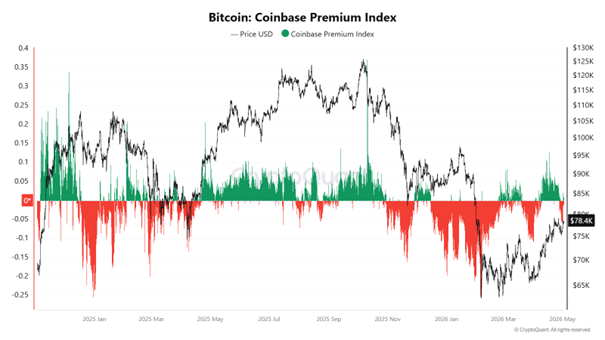
source: Encrypted quantity
The current rallies appear to be driven by futures contracts and not based on real spot accumulation. This distinction is important because future activity does not reflect sustained institutional conviction.
This pattern directly explains why Bitcoin’s price movement remains range-bound and unstable. Market participants are watching closely, but they are not moving capital into spot positions on a large scale.
Regulatory fog keeps big players on the sidelines, waiting for structural certainty before committing. This hesitation peaked even during periods of improved global liquidity.
the The law of clarity It could serve as a turning point that changes the structure of demand for Bitcoin. Improved custody rules may lift balance sheet constraints that currently prevent immediate institutional participation.
As these barriers fall, the market can move from speculative demand to structurally supported demand. This shift would mark a real inflection point for Bitcoin — not a milestone in price, but a change in who is buying and why.




