

Gold rose at its fastest pace in two months after reports that Donald Trump called off strikes against Iran. The precious metal continued to rise amid news of an agreement between Washington and Tehran. As tensions ease, the outlook for gold improves. After falling 18% from its highs and reaching its lowest level since November 2025, investors are once again seeing reasons for optimism.
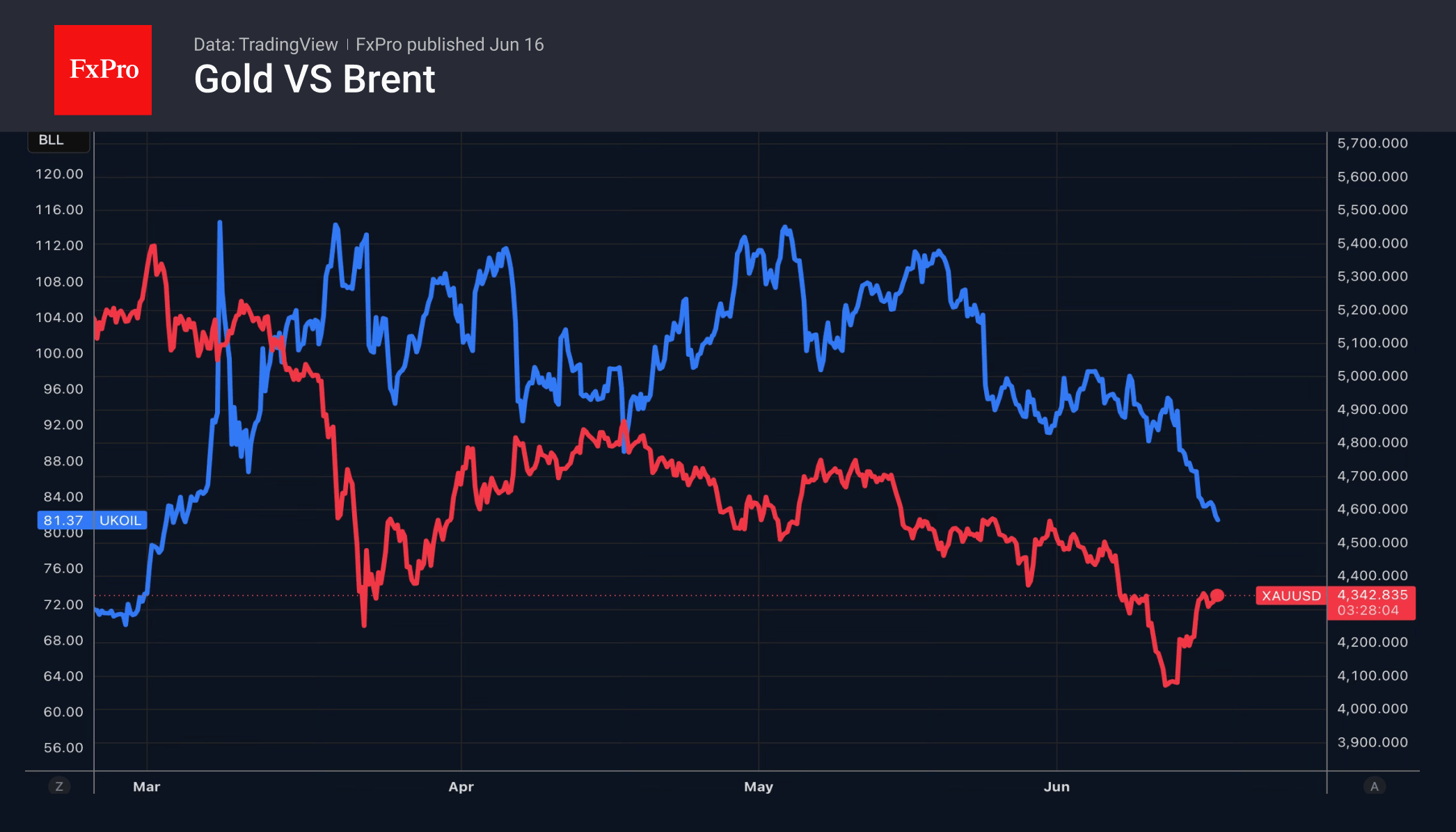
Since the beginning of the geopolitical conflict, the precious metal has moved in the opposite direction to oil, so the decline in Brent allowed gold to find its footing. Higher energy prices increase the risk that inflation will become entrenched at high levels and increase the likelihood that the Federal Reserve will tighten monetary policy. This creates a headwind for gold, while the end of the conflict in the Middle East becomes a tailwind.
The precious metal’s recovery was driven by the return of US stock indices to record levels. Gold becoming a risky asset dates back to 2025. At that time, gold prices jumped by 65%, while the New York Stock Exchange mining index rose by a record 155%. Gold can also be a source of liquidity, as investors sell it during stock market downturns to meet margin requirements.
Another factor that will drive gold growth is increased demand for bullion from central banks. According to the World Gold Council, 45% of the 76 central banks that responded to the survey plan to purchase gold over the next 12 months. This is a record high since such surveys began in 2018. In emerging markets, this number stands at 53%.
Combined, easing tensions in the Middle East, lower oil prices, lower likelihood of further Fed tightening in 2026, strength in equity markets and strong demand from central banks are creating a more supportive backdrop for gold, paving the way for a broader recovery in prices.
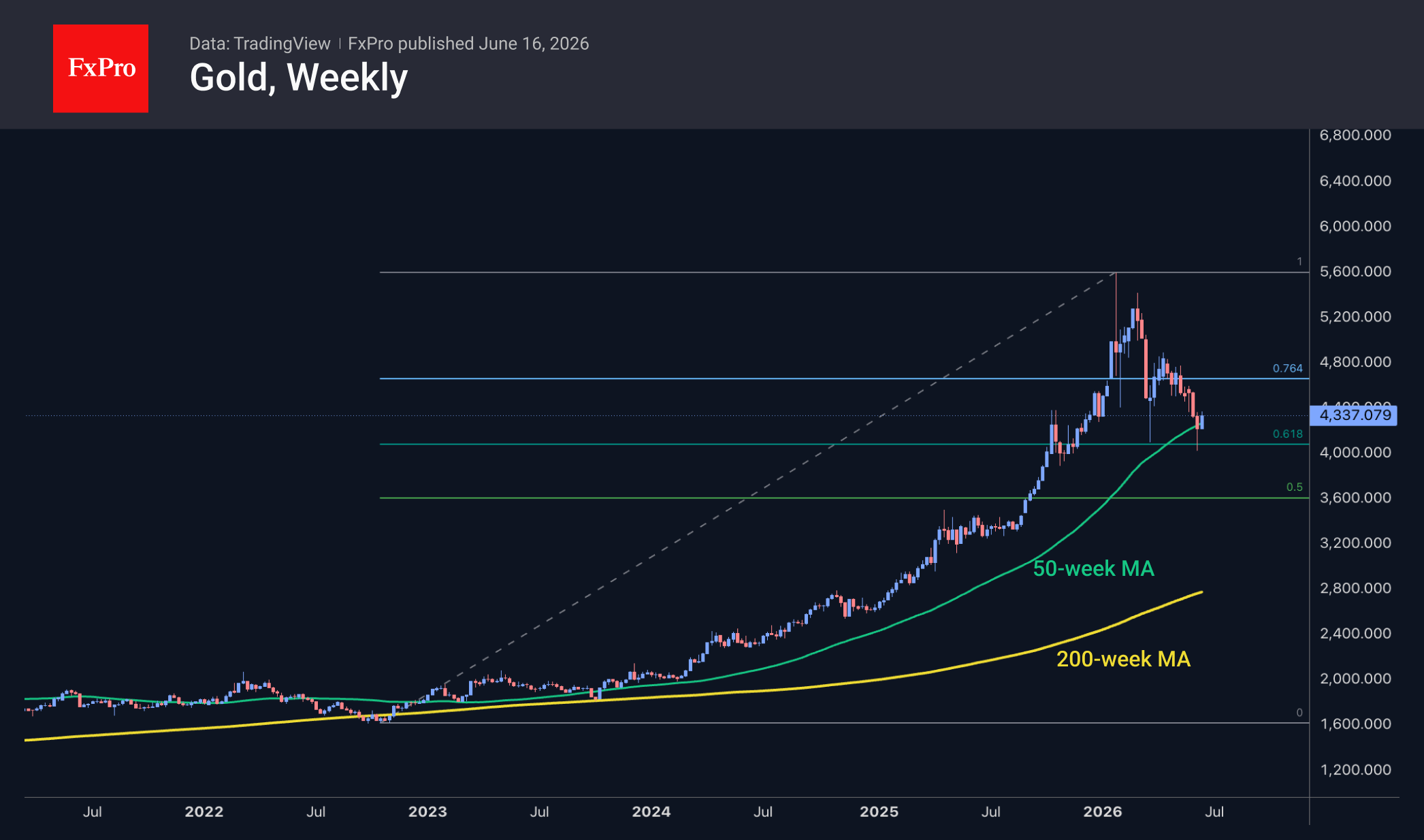
The technical picture is also in favor of the bulls, showing a notable rise in buying activity from the 61.8% Fibonacci support level for the 2022-2025 rally. Further confirmation of the reversal comes from the bounce off the 50-week moving average, which has turned sharply higher after falling at the beginning of June.
the So they broke Analyst team



