
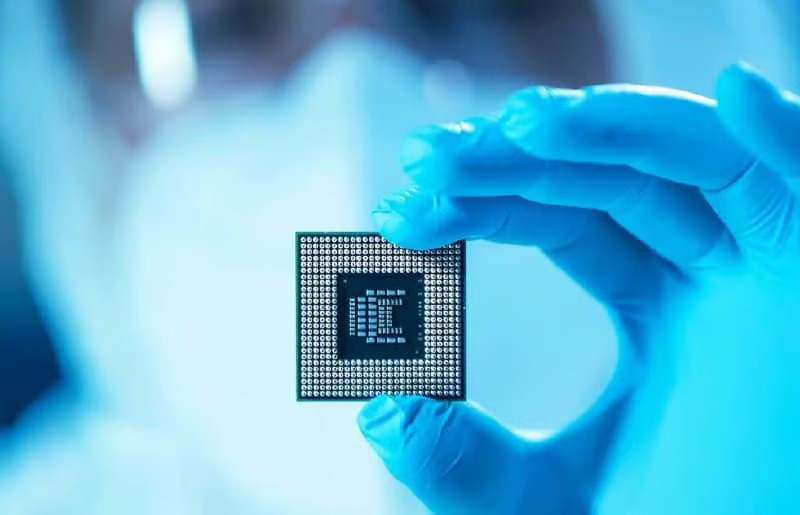
After years of continuous marches Semiconductors Stocks One of the most extreme technical warning signs seen in more than two decades is now flashing.
In this trend, stocks tracked under the PHLX Semiconductor Index saw a weekly RSI (RSI) reached 85.54, recording the highest reading since the peak of the dot-com bubble.
The index rose above 11,775 in a rise fueled by booming demand for oil artificial intelligence Chips, though sharp momentum heightened concerns about a potential correction.

Notably, the Relative Strength Index, a momentum indicator that measures price strength on a scale of 0 to 100, is now at levels that have historically indicated overbought conditions and preceded notable pullbacks on the weekly time frame.
The semiconductor sector posted some of its strongest gains in years, driven by excitement around artificial intelligence infrastructure. However, such extended conditions can also indicate buyer fatigue, prompting traders to watch for signs of weakening momentum.
Concerns have also been growing about the sustainability of the artificial intelligence boom. major technology Companies are expected to do so Spend over $700 one billion On data center expansion in 2026 alone, which will directly benefit chip makers.
However, skeptics warn of risks associated with diminishing returns, energy constraints, and uncertainty about how quickly AI investments can yield meaningful profits.
Market concentration has heightened anxiety, with a small group of AI-related stocks leading much of the gains in major indexes.
An economist warns of a possible collapse
Some investors, including Michael Burry, have done so comparison Current conditions led to the speculative excesses of the late 1990s, warning that valuations may be disconnected from realistic growth expectations.
Rising interest rates, slowing AI adoption, or disappointing returns from massive infrastructure spending could trigger a sharp reassessment, while early signs of stress, including selective layoffs in the technology sector, are fueling fears that the pace of investment may not be sustainable indefinitely.
However, many analysts believe that today’s environment is significantly different from that of the past Dot com era. Leading companies in the field of artificial intelligence and semiconductors, e.g Nvidia (Nasdaq: NVDA), generating strong profits and cash flows, unlike many speculative companies of the late 1990s that lacked sustainable business models.
Demand for advanced chips is driven by real-world needs in data centers, cloud computing, defence, robotics and automation, while investment decisions appear more disciplined and supported by stronger corporate balance sheets.
As a result, proponents believe that any pullback will more likely be a healthy consolidation or pause rather than a sharp collapse.
Upcoming earnings reports, interest rate developments, and geopolitical events are expected to shape the market’s direction in the near term.



