
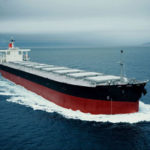

TThe dry bulk market for Kamsarmax and Panamax tankers finds a significant boost in the Brazilian soybean export trade. In its latest weekly report, shipbroker Intermodal said: “Brazilian soybean exports to China have recovered from an inspection interruption in March, but that incident has left more scrutiny around Panamax and Kamsarmax formulations. Shipping quality and timeliness of certifications and health checks now carry more weight in Chinese Brazilian soybean stalks, especially when port queues are heavy. The disruption began after Chinese authorities raised concerns about Brazilian soybean shipments containing beans treated with pesticides. And live insects. The Brazilian Ministry of Agriculture has responded to weed seeds and heat-damaged materials by intensifying inspections on shipments destined for China. Documentation slowed during the busiest part of the export season, and some exporters reduced offers, while Cargill temporarily halted shipments to China as the inspection process became more difficult to manage.

Source: Multimedia
According to Intermodal’s head of research, Yannis Parganas, “The problem came during a season that saw record Brazilian supply. The USDA’s April oil crop outlook report estimated Brazil’s 2025/26 soybean crop at 180 million tons and raised the export forecast to a record 115 million tons. The USDA also raised Brazil’s crush forecast to 61.5 million tons. These figures confirm that Brazil has enough Supplies to keep China’s program active, even as the shipping impact was evident in March with Panamax shipments from Santos to northern China rising about 24% during the disruption, Brazilian soybean quotations falling from approximately US$1.12 per inch from May in late February to around US$1.22 per inch, Brazil and China moving towards a new health protocol, and Brazilian exports returning to a more normal pace. The March event did not develop into a ban or a significant change in the course of Chinese demand It has remained an implementation issue within the Brazil-China soybean corridor.

“At the same time, the upcoming Trump-Xi meeting adds trade policy risks to the market, but does not yet change the fundamental case for soybean shipping. The agricultural package could include additional Chinese purchases of US agricultural products, and any firm commitment to soybeans would support US loadings in the Gulf and Pacific Northwest later in the season. However, current forecasts point to limited Chinese appetite for a major shift in soybeans. China has already reduced its dependence on US beans, with the US supplying about 15% of Chinese soybean imports last year, compared to 41% in 2016. Brazilian shipments also remain cheaper and more available during the current export window.”

Source: Multimedia
“For owners, the practical focus is exposure to combinations. Brazilian-Chinese soybean stalks now need closer attention to inspection conditions, delivery time, demurrage liability, pre-loading evidence and timeliness of documentation. A smoother protocol would reduce the risk premium. Additional contamination findings would quickly lead to delays, especially during a heavy export line. The market has weathered the March turmoil, but health audits remain part of the freight assessment. Brazil is still expected to export record amounts of soybeans this season, and China “remains The Trump-Xi meeting may create short-term volatility around U.S. soybean sales, but a meaningful shift in shipping will require confirmed volumes, shipping timing, and a sustained change in Chinese buying behavior. “For now, Brazil-China soybean employment remains the main support for Panamax and Kamsarmax owners, as cargo clearance and certification risks remain more significant than before March.”
Nikos Rousanoglou, Global Hellenic Shipping News



