

Key takeaways
- US-based Bitcoin ETFs saw nearly $5 billion in capital outflows throughout the second quarter of 2026.
- June alone accounted for $4 billion in total Bitcoin withdrawals from ETFs
- The private credit sector faced withdrawal requests worth $15.6 billion during the same period
- Ten out of sixteen business development companies exceeded the standard 5% quarterly payback limits.
- Despite the recent pause in Bitcoin ETF selling pressure, institutional appetite remains weak
- Current Bitcoin market dynamics show that futures demand is marginally positive while spot demand remains in negative territory
The period from April to June 2026 is proving to be extraordinarily challenging for crypto ETFs and alternative credit instruments alike. U.S. Bitcoin exchange-traded funds saw investor withdrawals approaching $5 billion during the quarter, with June representing $4 billion of that total. BlackRock’s cryptocurrency fund saw particularly notable recoveries.
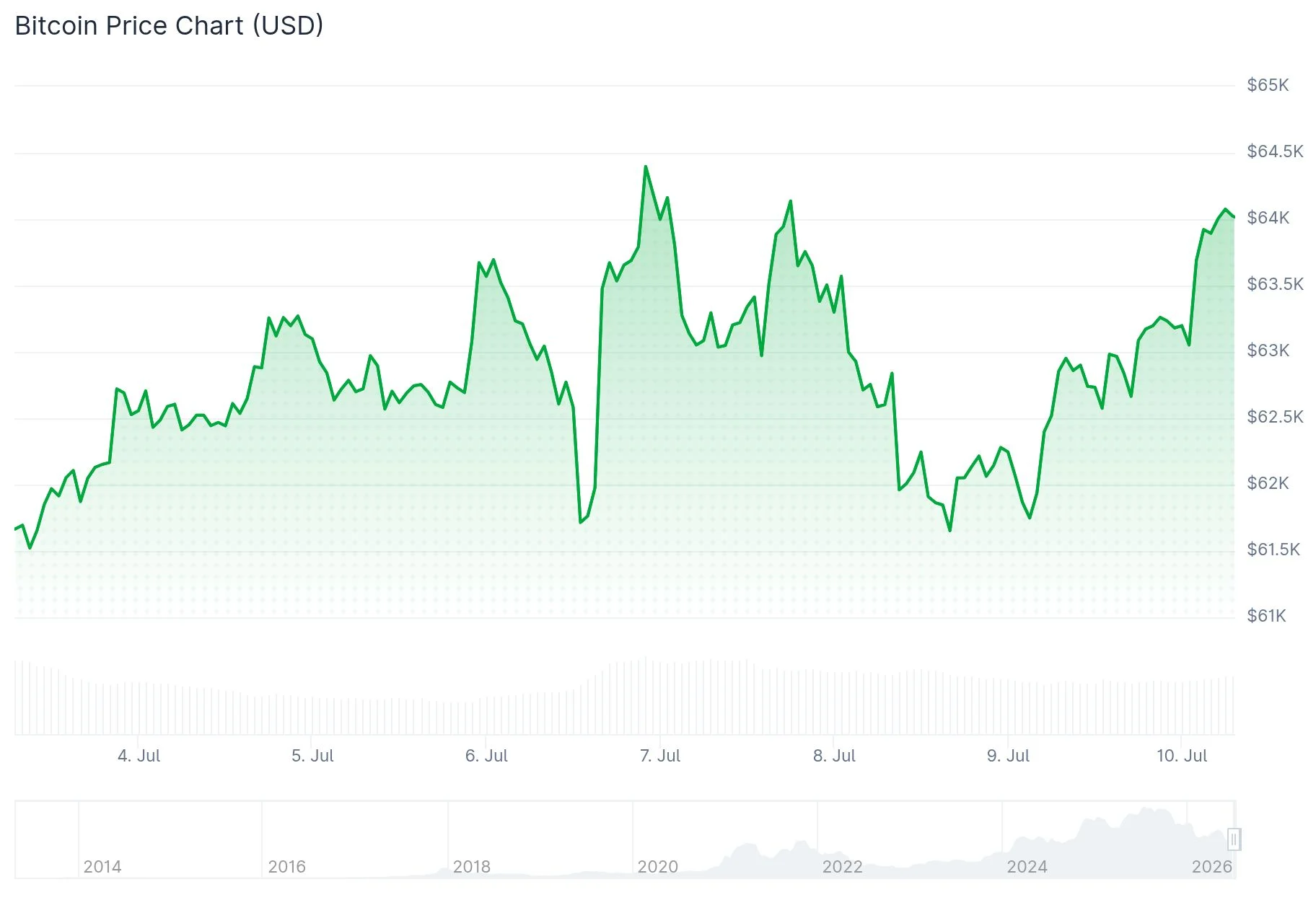
Invested capital has gravitated toward AI stocks and high-profile market events such as SpaceX’s expected public offering. Bitcoin price It fell nearly 14% during the quarter, falling below the $60,000 threshold, marking its third consecutive quarterly decline.
However, disruptions within private credit markets proved more severe. The $2 trillion private credit industry faced withdrawal requests totaling $15.6 billion during the second quarter. The vast majority of funds proved unable to fully meet these recovery requirements.
Business development companies typically impose a quarterly payback cap of 5%. According to Fitch’s analysis, ten out of sixteen tracked entities exceeded this limit. Average redemption requests increased to 10.3% of shares outstanding, representing an increase from the previous quarter’s 9.7%. One particular fund faced orders of 38.1%.
Capital flows into these investment vehicles contracted by about 56% on average. The majority concluded the quarter with net capital outflows of approximately 3% compared to the previous quarter’s net asset valuations.
Fitch forecasts indicate that high withdrawal activity will continue. Unfulfilled redemption requests in the second quarter will flow into subsequent quarters, maintaining continued pressure on the fund’s liquidity.
Bitcoin ETF redemptions pause, although fundamental strength is questionable
related Bitcoin With the ETF active, conditions have shown tentative signs of stabilizing. A ten-day rolling trading period of net withdrawals totaling $2.7 billion recently ended. After that, ETFs posted cumulative net deposits of more than $500 million over three straight sessions, though Wednesday generated rolling net outflows of $84.9 million.
Swissblock, a cryptocurrency investment advisory firm, described the recent period as representing “the end of the most dominant ETF distribution wave of this bear market.” However, the organization emphasized that institutional commitment remains incomplete.
CryptoQuant’s analytical data indicates that overall demand for Bitcoin, despite showing improvement, still shows a divergence between the physical and derivatives markets. Demand in the futures market has been marginally positive. Actual spot demand continues in negative territory.
Market observers confirm that lasting price advances historically require simultaneous increases in spot demand and financial derivatives. This rapprochement has not yet been achieved.
Additional risk indicators add to market concerns
QCP Capital, which operates out of Singapore, highlighted several complementary warning signs. The US Strategic Petroleum Reserve shrank to levels not seen since 1983. The strategy implemented the first liquidation of Bitcoin to fund shareholder distributions. Restrictions have been imposed on the redemption of private credit across many investment vehicles.
QCP described the situation succinctly: “The buffers are getting weak.”
Collectively, emerging evidence from crypto ETF flows, alternative credit recovery patterns, and strategic energy reserve depletion point to a dovish outlook for risk-sensitive assets heading into the second half of 2026.




